

Building Richmond: A History Series
Some places in Richmond carry more than one history.
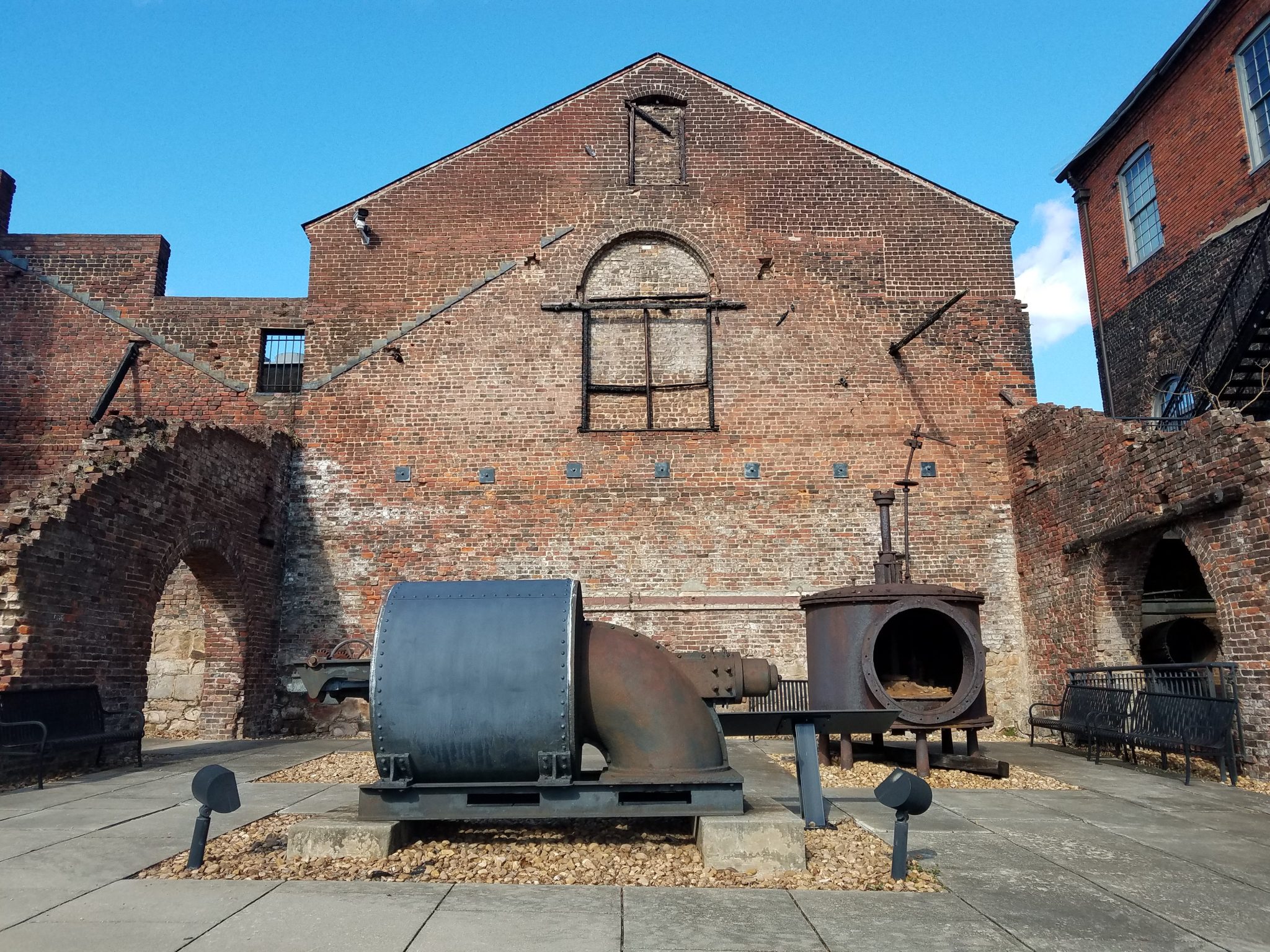
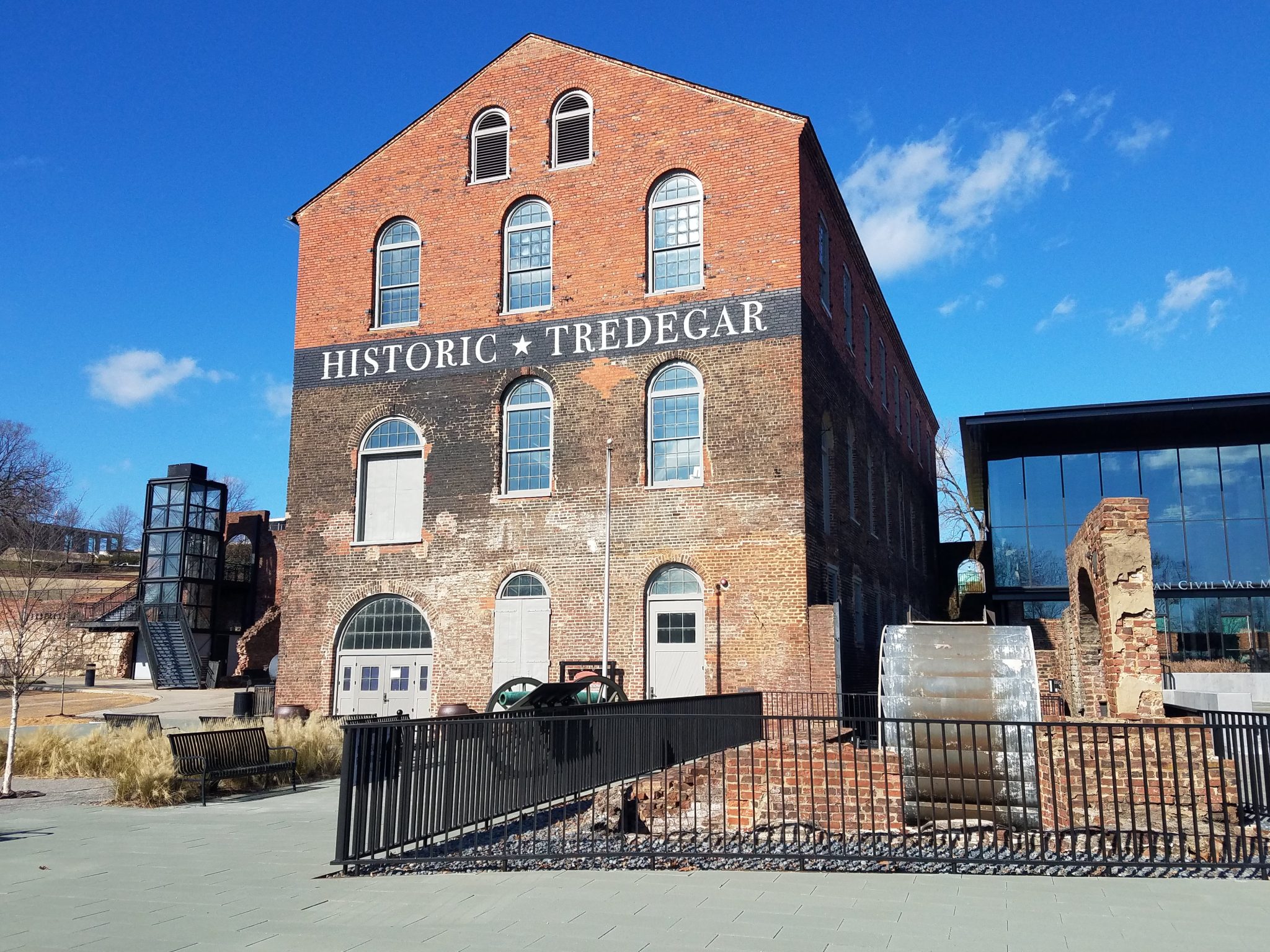
At Historic Tredegar, located along the banks of the James River, the past is not confined to exhibits or plaques. It’s embedded in brick walls, ironwork, and foundations that have stood beside the James River for more than a century. Once the site of one of the largest iron works in the Confederacy, Tredegar has been many things over time: an industrial powerhouse, a working manufacturing site, and today, a museum complex that invites the public to engage with some of the most difficult chapters of American history.
Preserving a place like this is never only about restoring buildings. It’s about protecting what already exists while carefully making room for what comes next.
Building Next to History
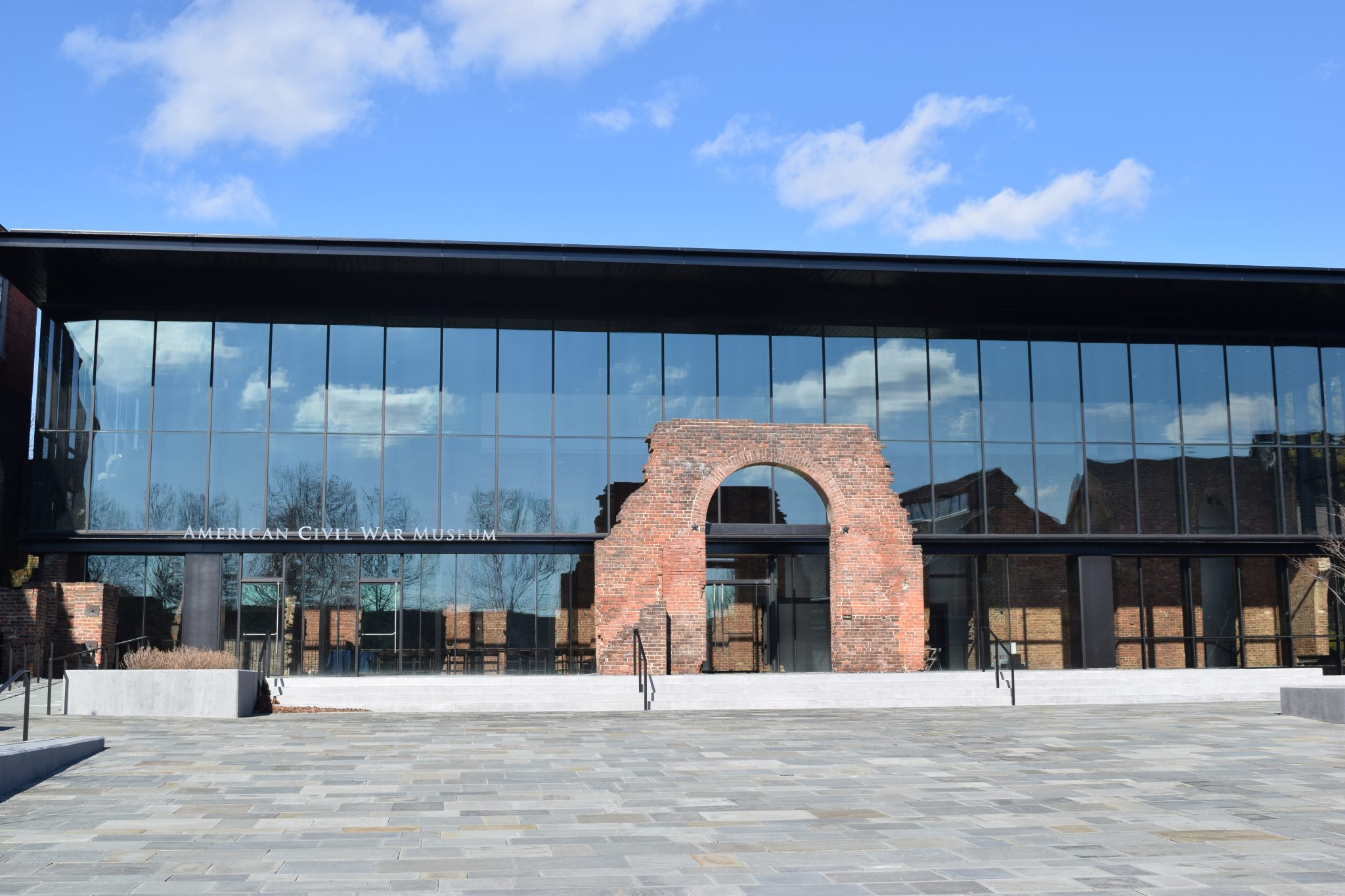
The modern American Civil War Museum complex at Historic Tredegar brought new construction into extremely close proximity with historic structures, including the original Tredegar Iron Works. That proximity raised a critical question early in the project: How do you build something new without harming what has already endured for generations?
Construction activities such as pile driving, earthwork, and structural installation can generate vibrations that are harmless in most settings, but potentially damaging to historic masonry and aging materials. At Tredegar, where preservation was central to the project’s mission, those risks had to be carefully managed.
Did you know?
Even relatively small construction vibrations can cause cracking or movement in historic masonry structures, especially when the materials are already weathered or weakened by age.
Zannino Engineering’s Role
Zannino Engineering was part of the project team to support construction materials testing and inspection services, as well as to develop project-specific specifications and oversight related to construction vibration near the historic structures.
Working closely with the design team and contractor, our role focused on ensuring that construction activities were monitored and managed in a way that protected the adjacent historic fabric. This included developing vibration-related specifications, reviewing monitoring data, and performing site observations to look for any signs of distress in nearby structures as construction progressed.
Rather than reacting to damage after the fact, our approach emphasized prevention, documentation, and coordination, allowing construction to move forward while maintaining confidence that the historic resources were being safeguarded.
Engineering That Stays in the Background
One of the quiet successes of projects like this is that, when done well, the engineering work is largely invisible to visitors.
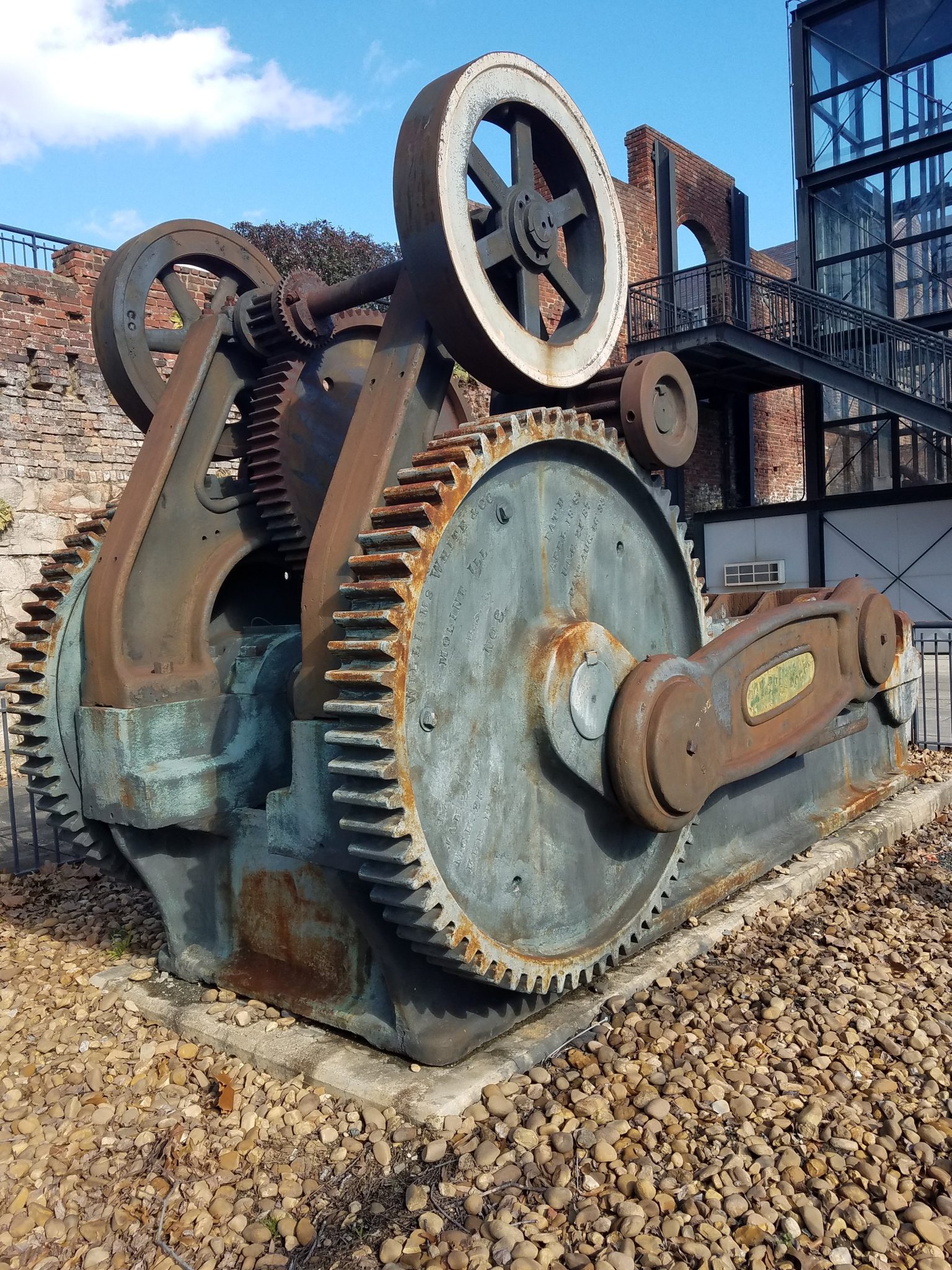
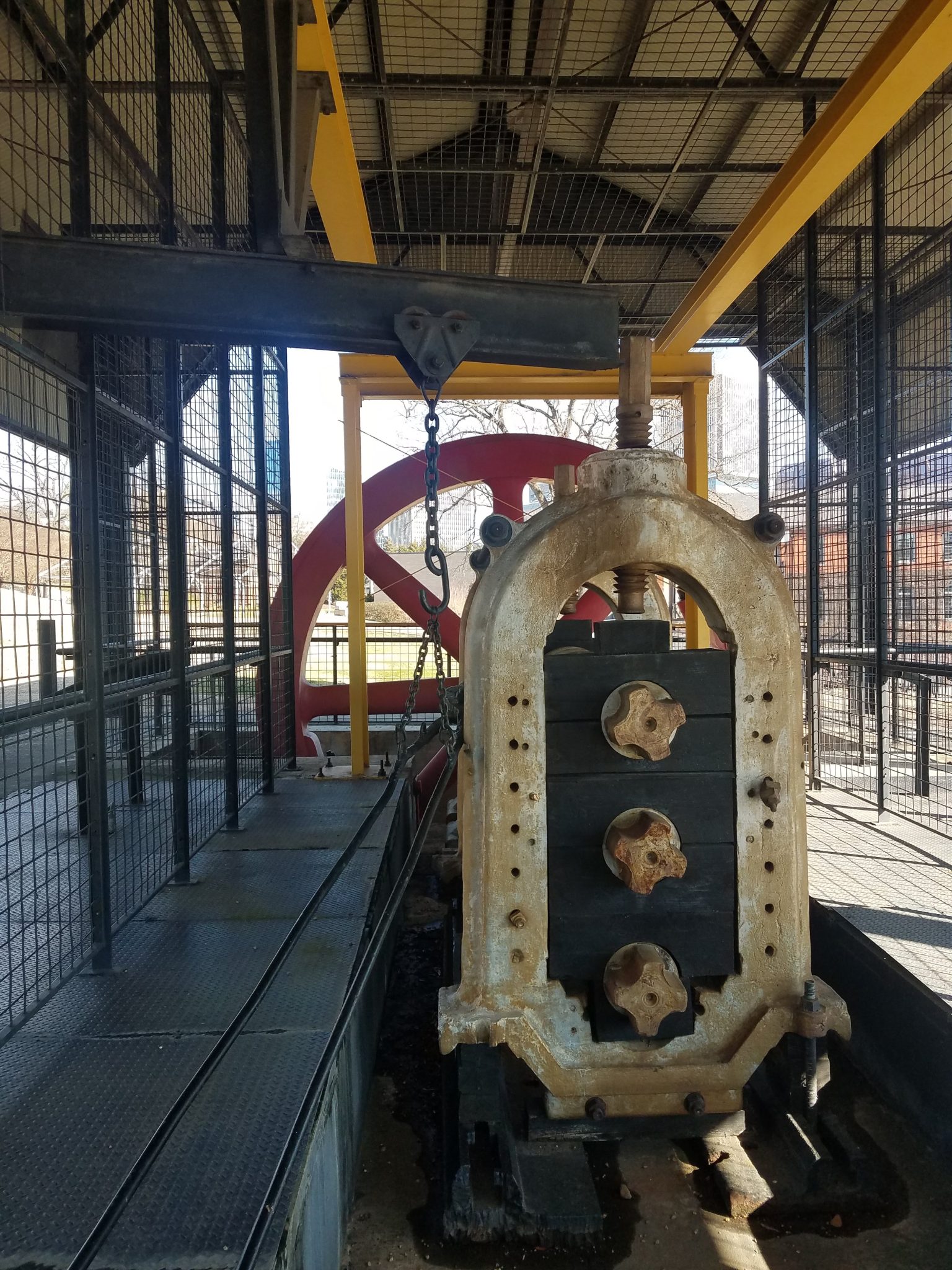
Today, guests walk through the museum complex, move between old and new buildings, and gather in the surrounding plaza without realizing the level of coordination that was required beneath the surface. The historic brick archways, industrial remnants, and modern glass and steel elements coexist seamlessly, not because the challenges were small, but because they were addressed with care.
Why It Still Matters
The American Civil War Museum at Historic Tredegar is more than a preserved site. It’s an active civic space where history, education, and community come together along the James River corridor.
Projects like this reflect a broader truth about Richmond’s built environment: growth does not require erasing the past. With careful planning and thoughtful engineering, the city continues to adapt historic places for modern use while honoring what makes them significant.
For Zannino Engineering, this project represents the kind of work we’ve been doing across the region for decades, supporting construction that respects context, protects legacy structures, and helps the city move forward
This is the first post in our “Building Richmond, A History Series”, highlighting projects that have shaped the city we know today.
All photographs by Denise Zannino Childree.