

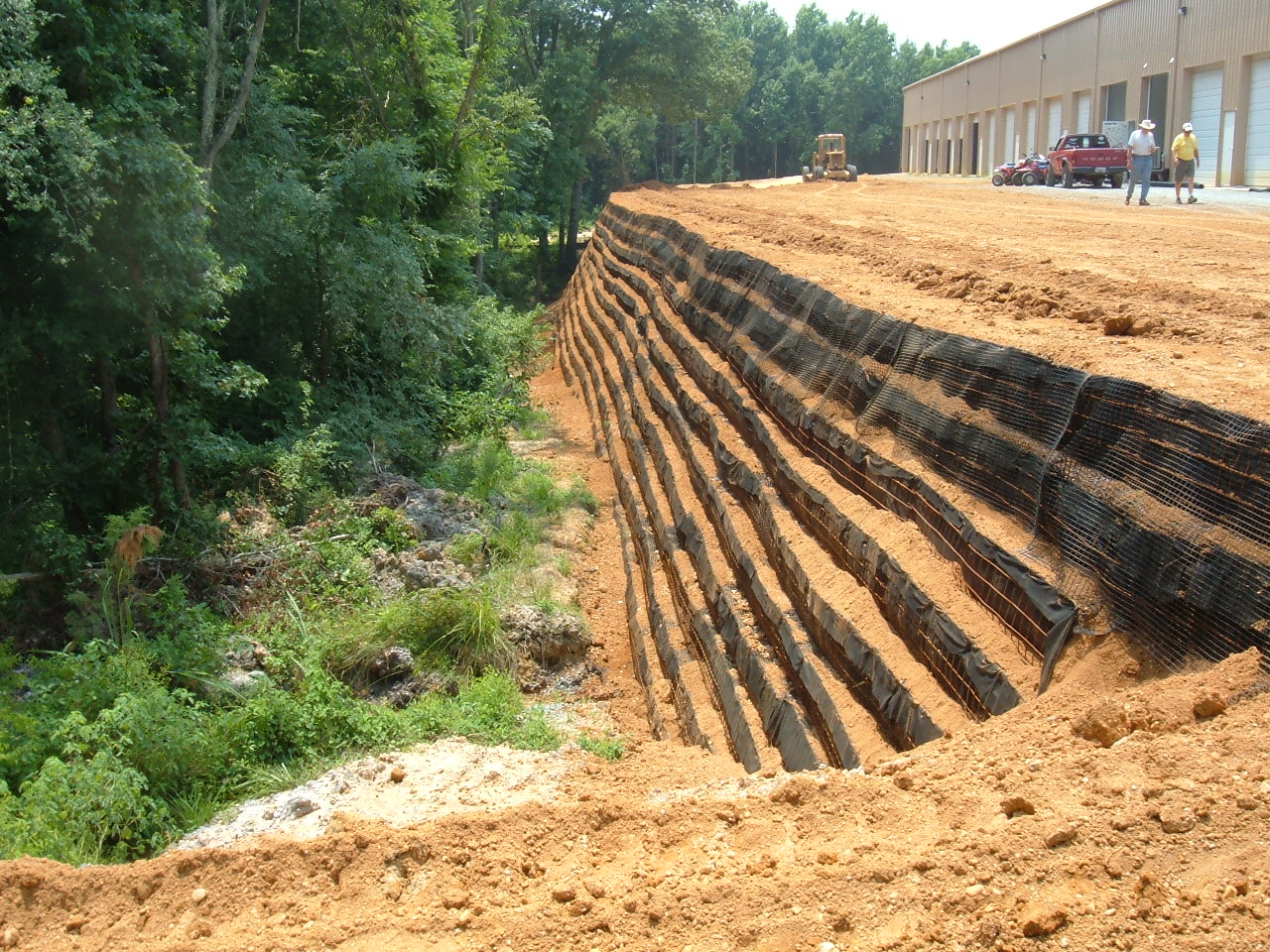
Sometimes creating more space means holding the ground in place.
Retaining walls are used to safely manage changes in elevation, creating usable space while protecting adjacent property and infrastructure. Whether supporting a commercial development, stabilizing a steep slope, or protecting a stream bank from erosion, retaining walls help sites function safely and efficiently.
Retaining walls are commonly used to:
- create additional usable land on challenging sites
- stabilize slopes and prevent erosion
- protect adjacent structures, roads, and utilities
- repair washouts and support stream banks
- improve access and development potential
Designing for Site Conditions
No two retaining walls are exactly alike. The appropriate wall system depends on site conditions, project goals, and how the finished wall will be used.
Some projects require retaining walls that complement surrounding architecture or blend into the natural landscape, while others prioritize durability, constructability, or long-term performance. Every design is tailored to the specific needs of the site.
Key design considerations include:
- soil properties
- groundwater conditions
- wall height and geometry
- loading from nearby buildings, traffic, or other structures
More Than Just Holding Back Soil
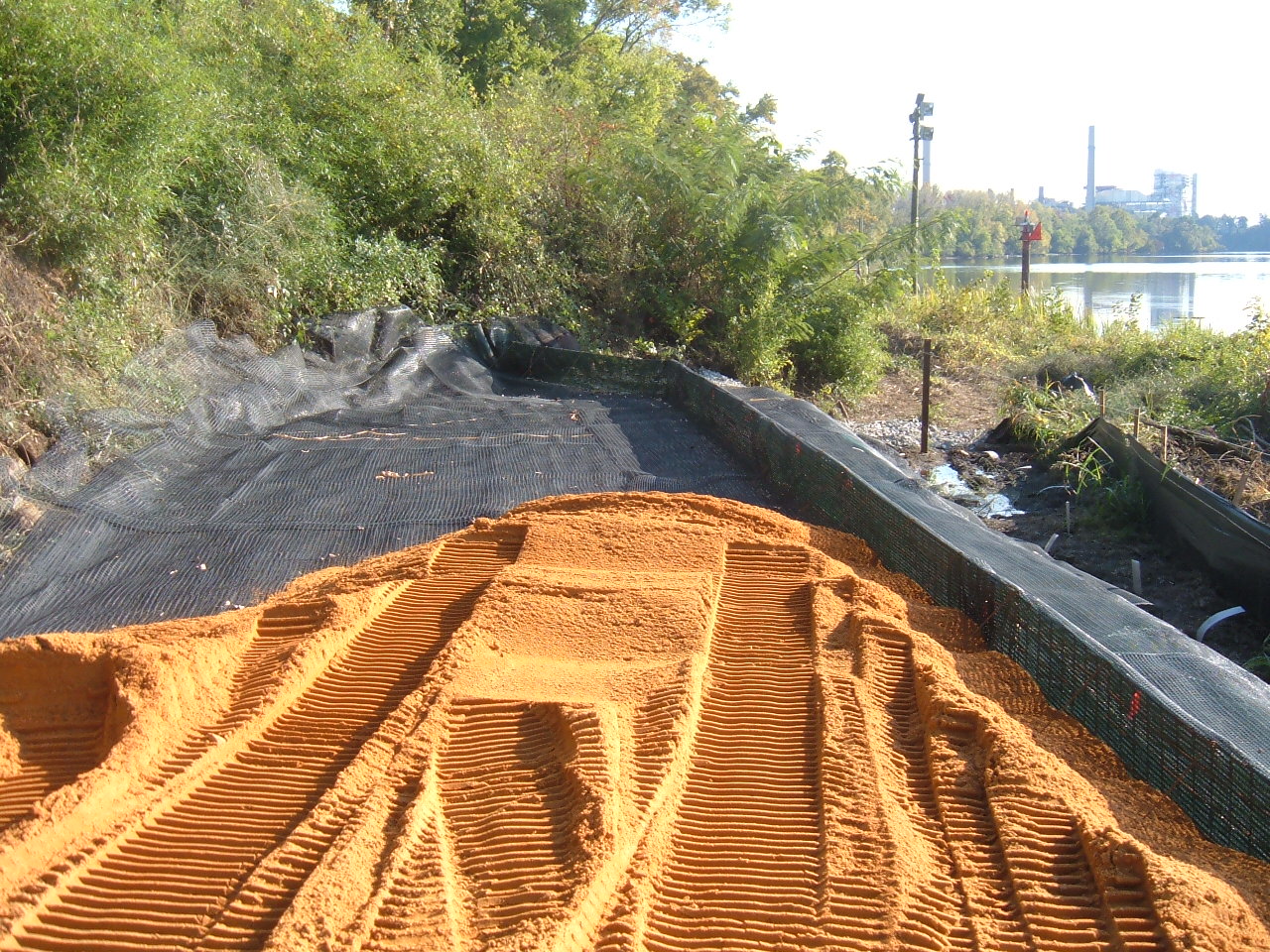
Retaining walls are also used to stabilize slopes and protect stream banks. These systems can help address erosion, washouts, and landslide conditions by supporting the ground and reducing ongoing movement.
Designing a successful retaining wall requires an understanding of how soil, water, and external loads interact. When these factors are considered early in the planning process, retaining walls can provide reliable long-term performance.
Retaining walls help transform challenging sites into functional spaces while protecting the land around them. When designed correctly, they provide long-term stability where it matters most.
Come Build On Our Foundation.
From the Ground Up is a series exploring the engineering and materials testing processes that support safe construction across Central Virginia.
Explore more in the series