

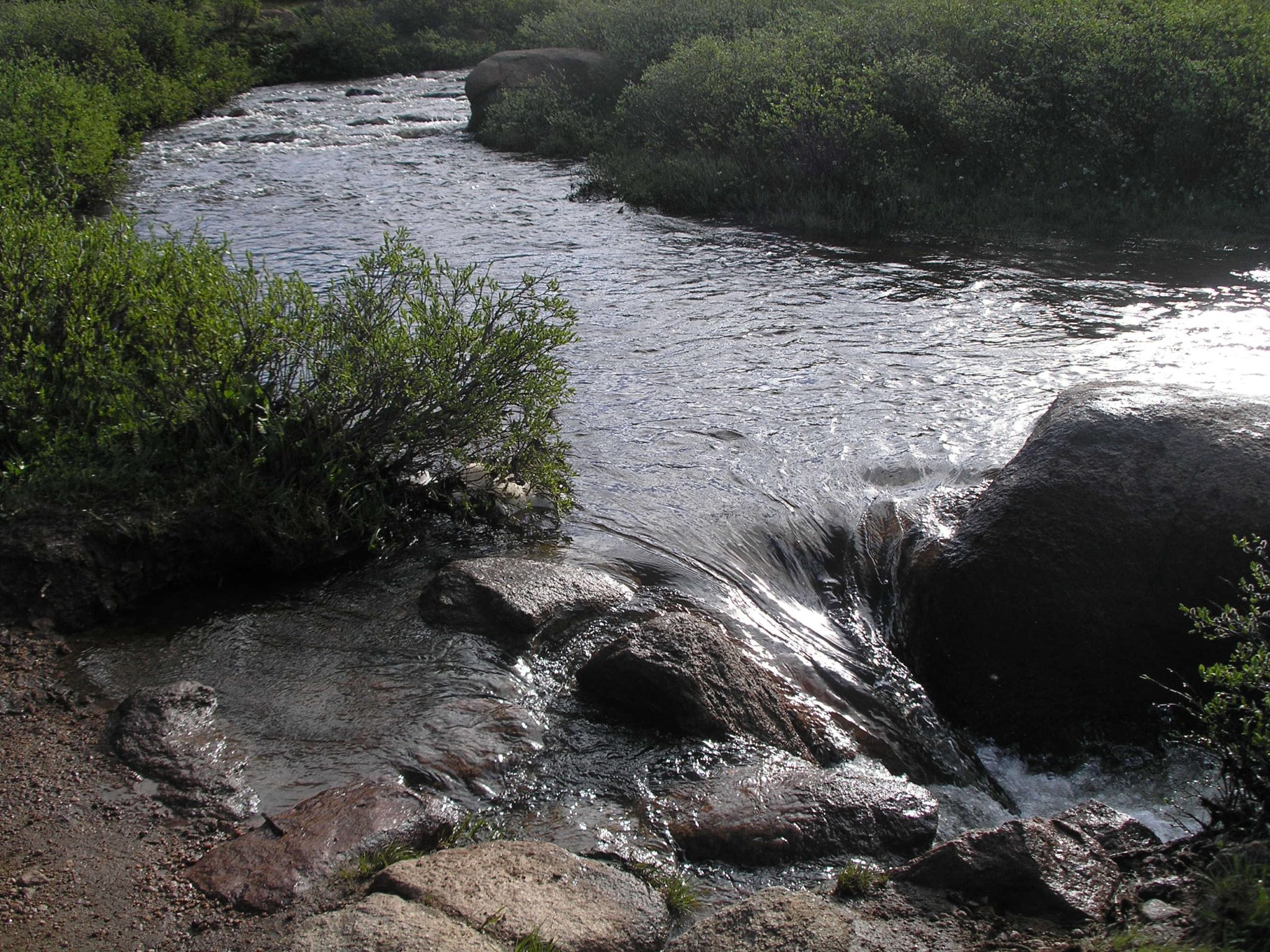
Healthy waterways don’t stay that way by accident.
When construction takes place near streams, rivers, or other waterways, protecting water quality becomes an important part of the project. Earthmoving and in-water work can disturb soil and sediment, making monitoring a necessary step during construction.
Water Quality Monitoring During Construction
Depending on the project, water quality monitoring may include:
- upstream and downstream sampling to evaluate construction impacts
- sampling after storm events, when runoff is most likely to carry sediment
- testing temporary containment basins and outfall locations
- groundwater or drinking water sampling when required
Testing often focuses on turbidity—a measure of how cloudy the water is—as well as pH and other project-specific water quality parameters.
Protecting Waterways Throughout Construction
Water samples collected throughout the project help confirm that construction activities remain within established project requirements and are not negatively affecting nearby waterways.
In addition to surface water monitoring, we can also collect groundwater or drinking water samples for laboratory testing by qualified local chemistry laboratories. These results help provide a clear picture of existing conditions and potential impacts.
Water quality monitoring helps protect nearby waterways while supporting environmental compliance and allowing projects to move forward responsibly.
Come Build On Our Foundation.
From the Ground Up is a series exploring the engineering, inspection, testing, and construction processes that support safe, successful projects across Central Virginia.
Explore more in the series