Colonial Downs: Performance Starts Below the Surface
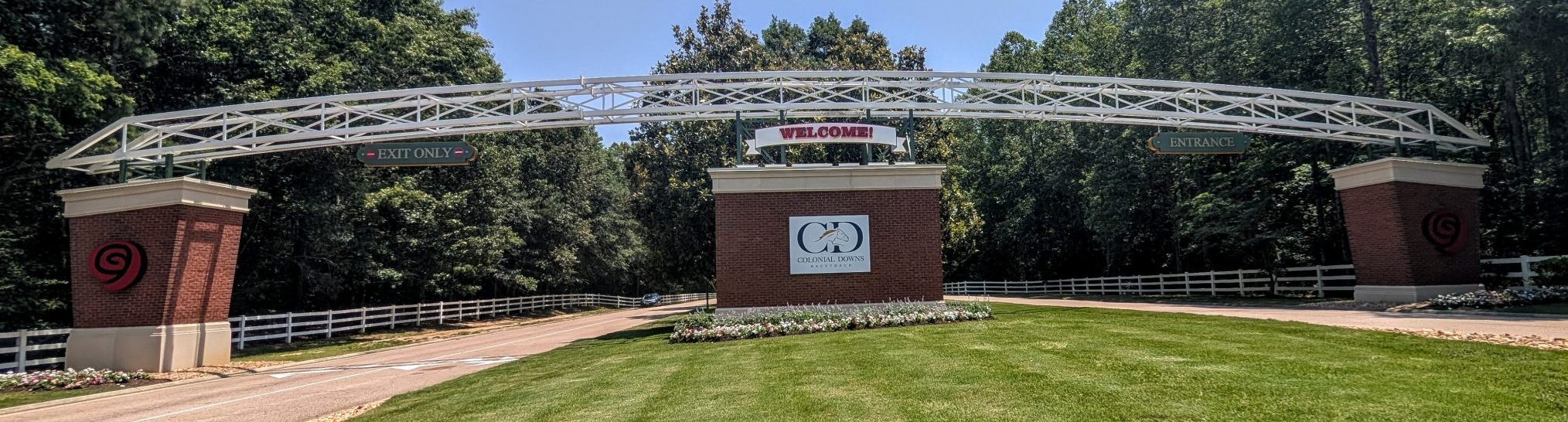
Some projects shape how a place looks. Others shape how it performs. Colonial Downs was built to do both.
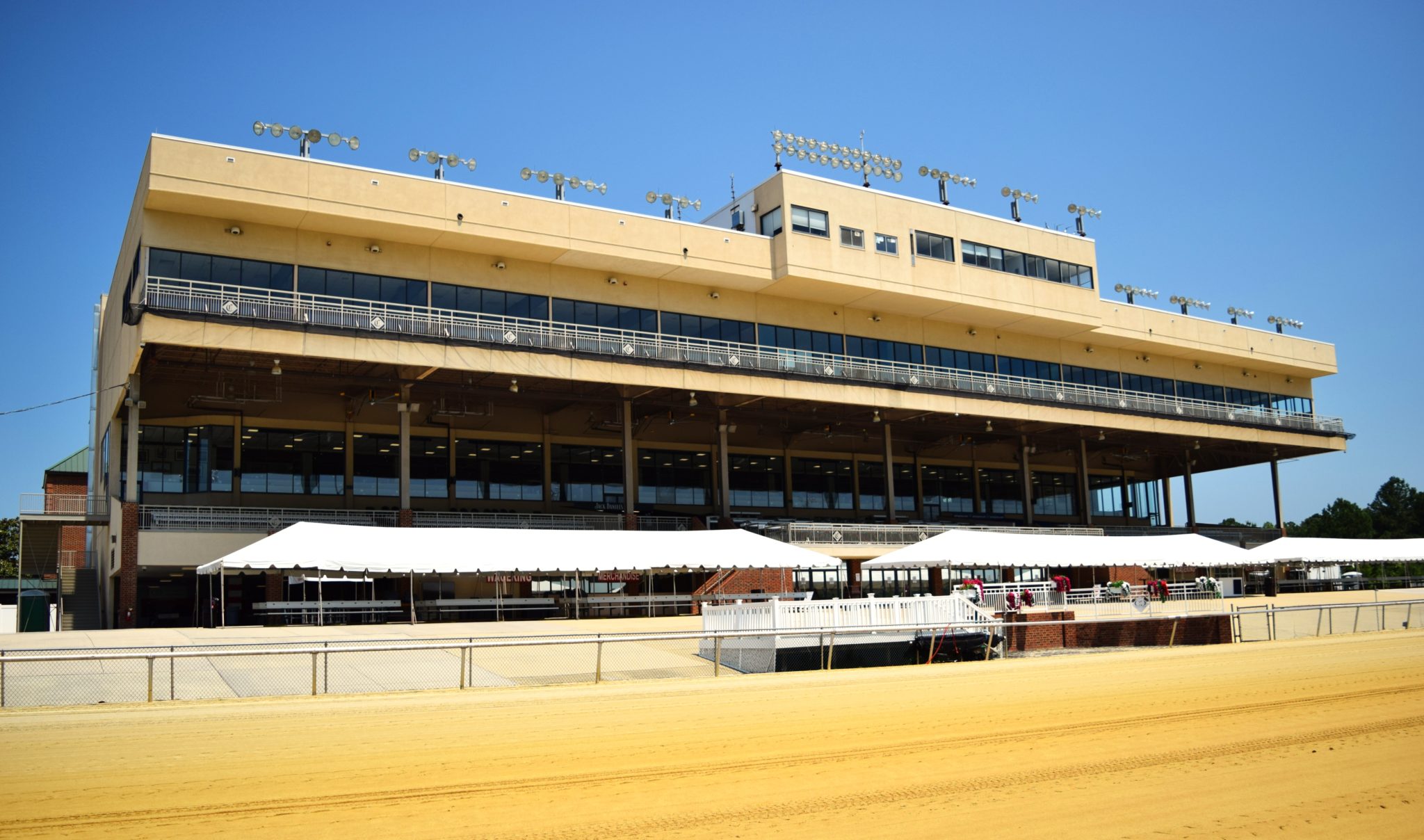
Opened in 1997, Colonial Downs was developed as Virginia’s first modern horse racing facility, bringing a long-standing tradition of racing in the state into a purpose-built, large-scale venue. Located in New Kent County between Richmond and Williamsburg, it has become one of Central Virginia’s premier racing and entertainment destinations. The project included grandstands, barns, and extensive track infrastructure across a wide, carefully graded site. Zannino Engineering provided geotechnical engineering, construction materials testing, and racetrack surface engineering during the original development of Colonial Downs.
From the beginning, success depended on more than just what would be seen on race day. It depended on the ground beneath it.
Rethinking the Ground Beneath the Grandstand
Before construction began, multiple subsurface investigations had already been completed for the site. Those earlier evaluations identified clay soils and recommended deep foundations beneath the grandstands.
Zannino Engineering was brought in to take a closer look.
Rather than relying solely on the earlier recommendations, the team performed a third subsurface investigation, including additional borings and laboratory testing to better understand settlement characteristics and soil behavior.
The results told a different story. Rather than confirming the earlier recommendations, the additional investigation demonstrated that conventional spread footings could safely support the grandstand structures. Based on those findings, Zannino Engineering developed a grading sequence that made this approach possible, eliminating the need for deep foundations. The result was a simpler construction approach and significant cost savings while maintaining the required performance.
Expanding the Role
Following the successful geotechnical investigation, Zannino Engineering was retained to provide construction materials testing for the broader development.
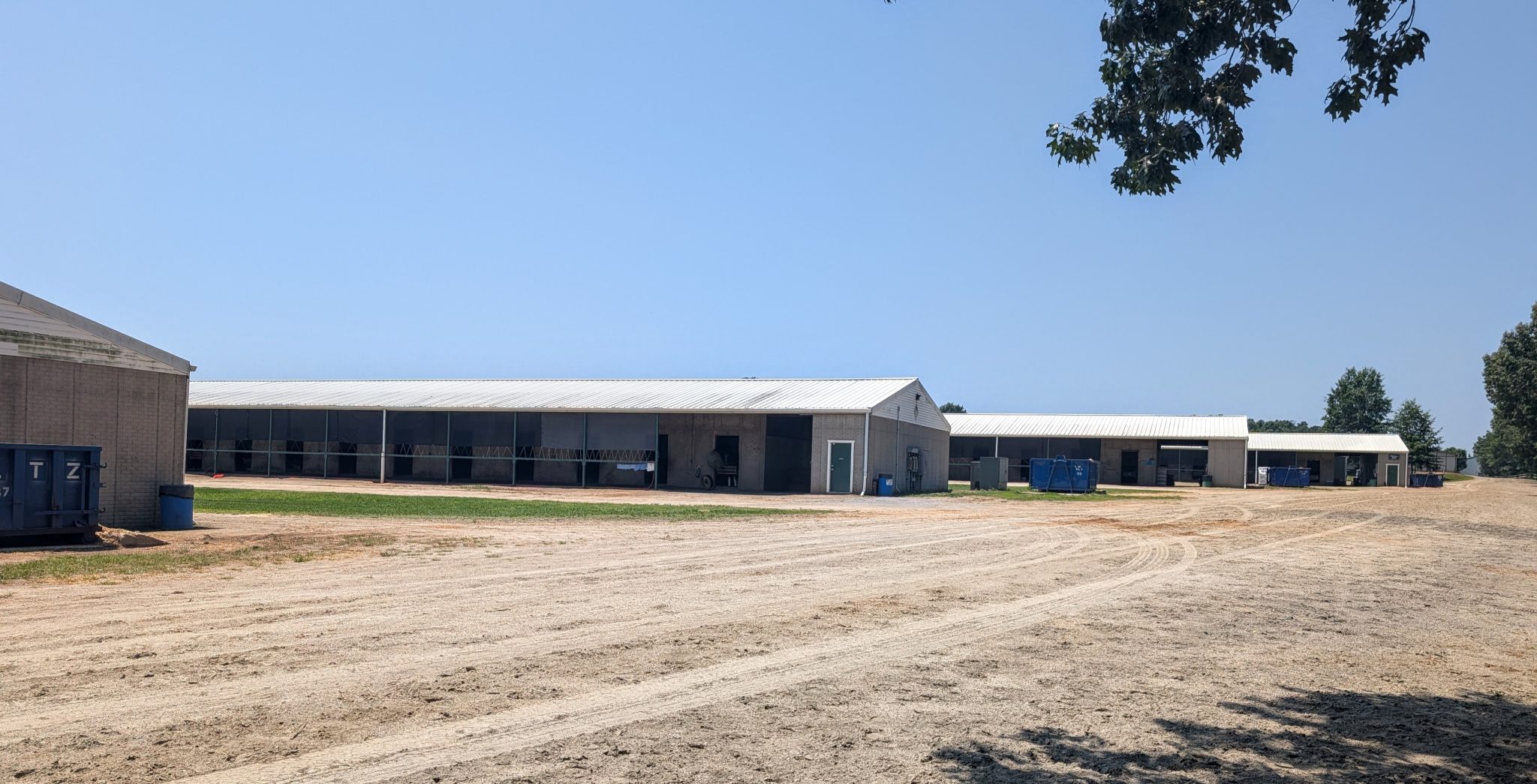
The scope extended across the site and included earthwork, structural elements, and multiple buildings associated with the racetrack.
With large areas of cut and fill and a variety of structures—from grandstands to barns—the work required ongoing coordination and verification to ensure construction aligned with design expectations.
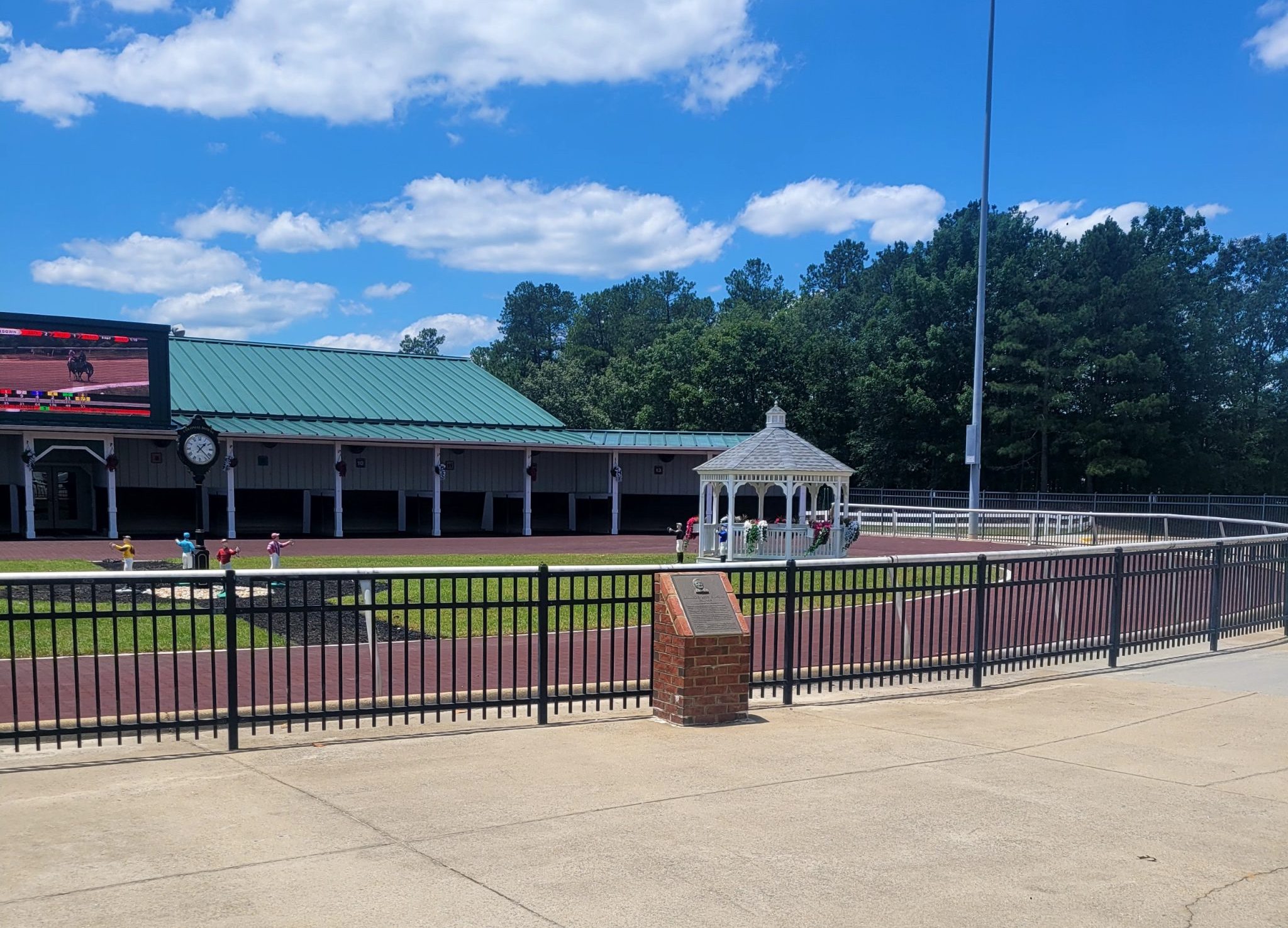
Construction materials testing provided an important layer of quality assurance throughout the project. By verifying that soils were properly compacted, concrete met specifications, and other materials performed as intended, the team helped confirm that the design translated successfully into construction.
On a project of this size, consistent testing helped keep work moving while reducing the risk of costly problems later.
As construction progressed, Zannino Engineering’s role continued to grow alongside the project itself. What began as a focused geotechnical investigation expanded into construction materials testing across the site and ultimately to the engineering of the racetrack surface itself.
Designing the Track Surface
The work did not stop with the structures.
Zannino Engineering was also asked to support the design of the dirt track surface itself—an element where performance and safety are directly tied to the properties of the material.
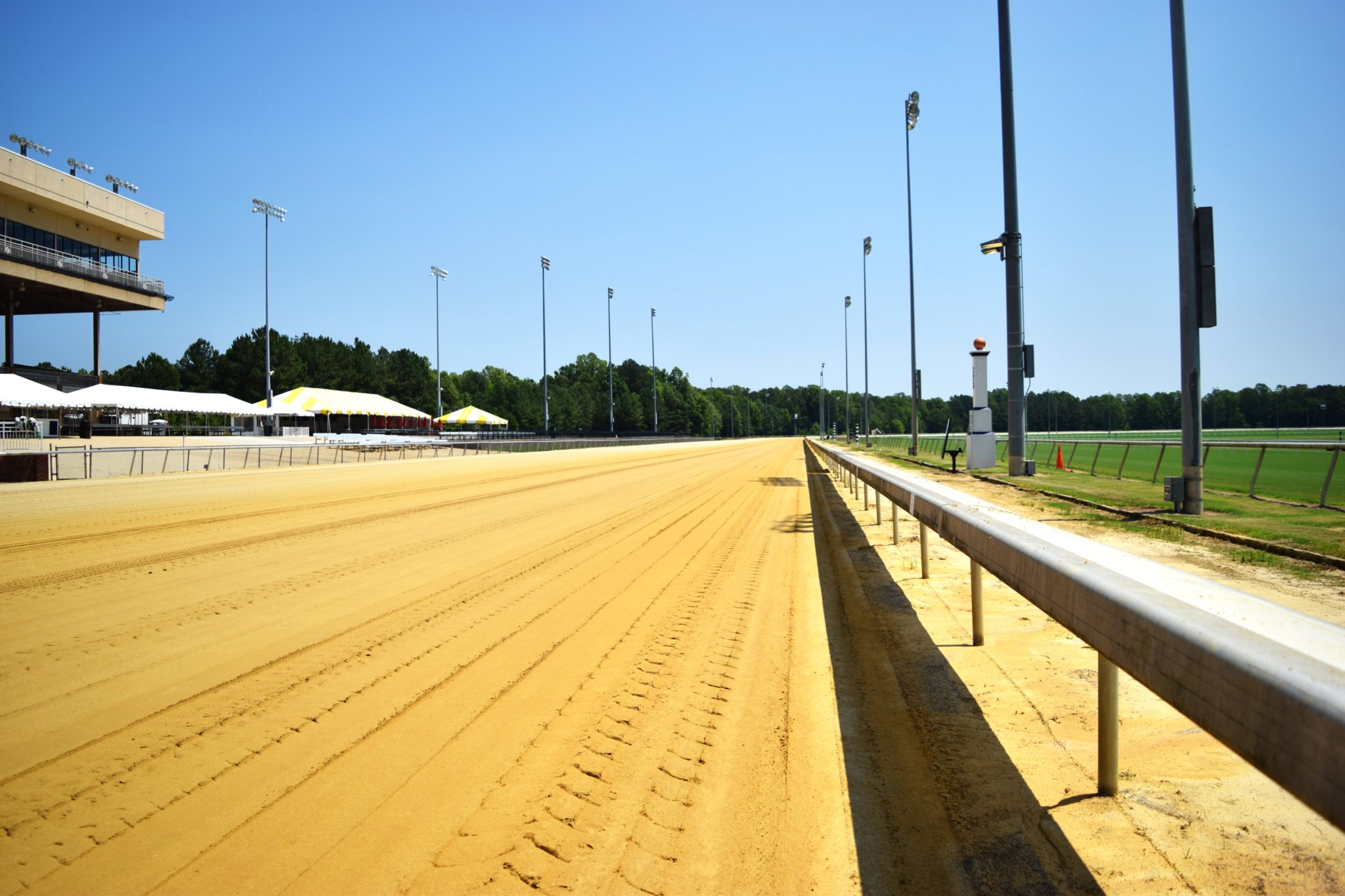
The team collected soil samples from multiple locations across the region and performed laboratory testing to help develop a blended surface suited to the demands of racing, balancing compaction, drainage, and consistency. The surface must be firm enough to provide traction for speed while remaining forgiving enough to help reduce the risk of injury to the horses and jockeys.
This work drew on prior racetrack design experience, allowing the team to tailor the surface to the specific needs of the facility.
Did you know?
Racetracks are not simply built—they are engineered. The composition, compaction, and drainage of the surface all affect performance and safety, making the design of the track as critical as the structures surrounding it.
Then and Now
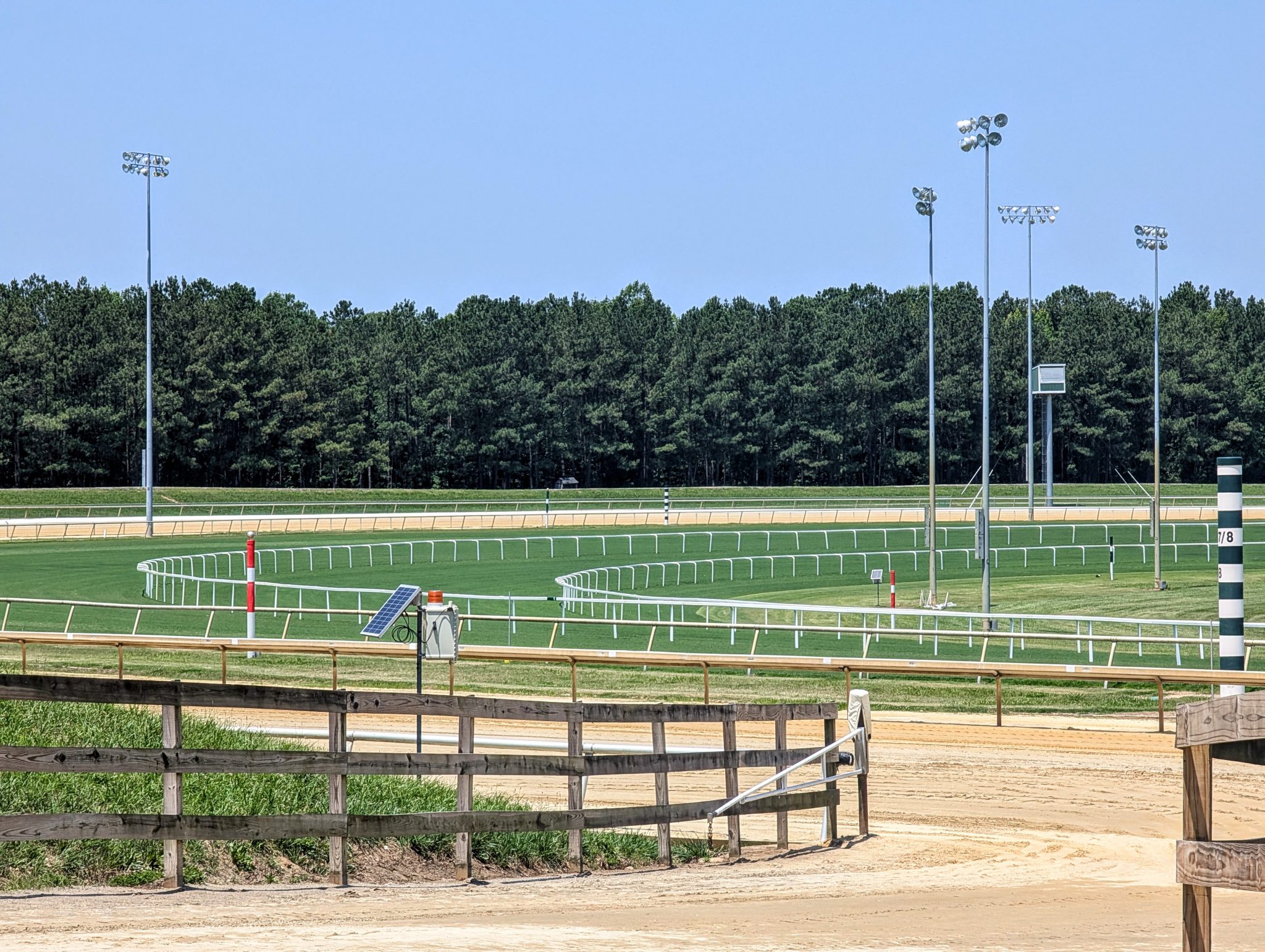
Colonial Downs has evolved over time, including a period of closure and reopening under new ownership. Today, it continues to serve as a key venue for racing in Virginia and is home to one of the largest turf courses in North America. In recent years, the Virginia Derby has also become an official qualifying race on the Road to the Kentucky Derby, further elevating Colonial Downs’ national profile. Beyond racing, the facility hosts community events and family-friendly activities throughout the year.
Zannino Engineering’s work at the site has also continued, supporting ongoing efforts to address evolving conditions and help the facility perform as intended.
Why It Still Matters
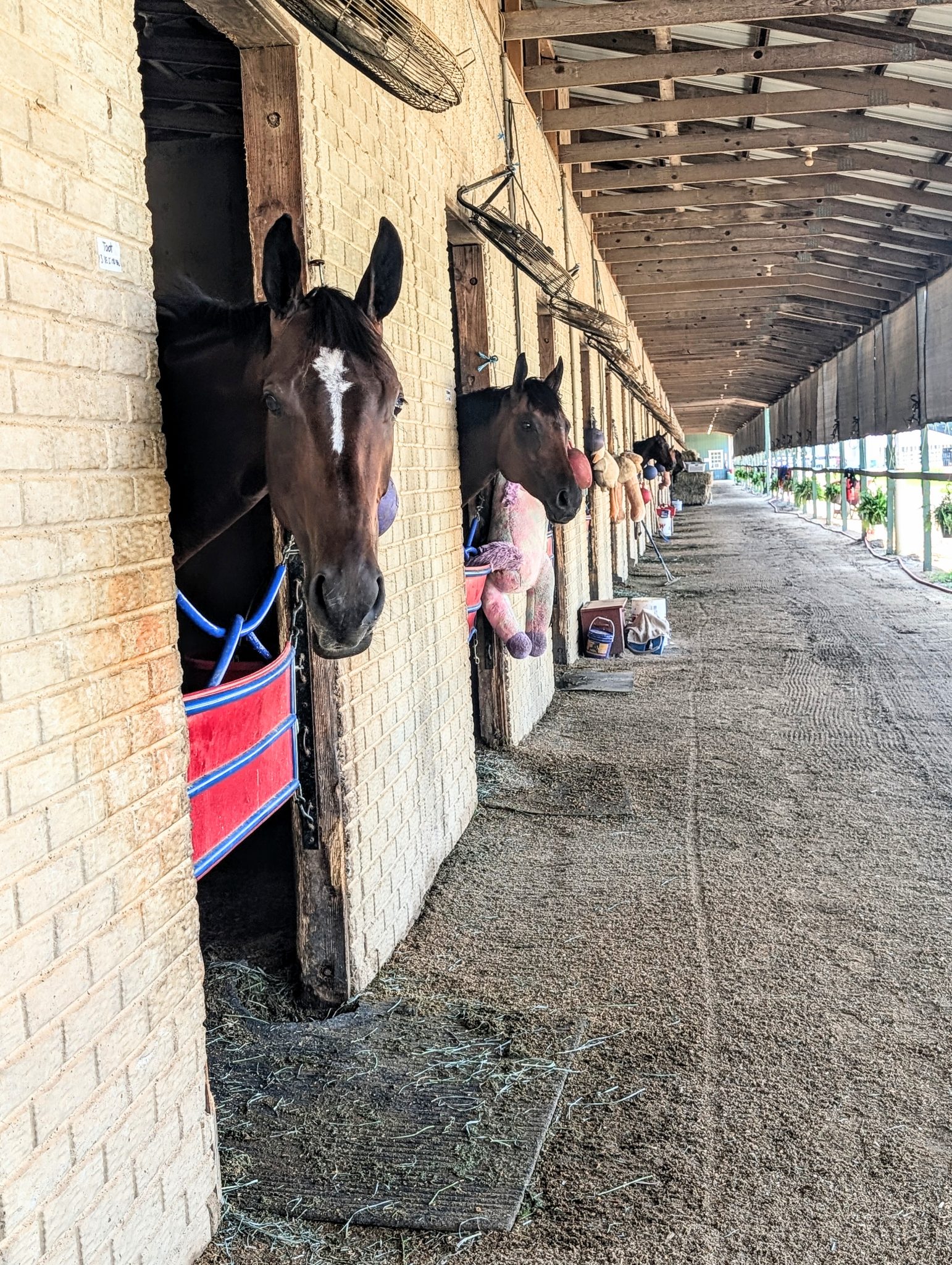
Colonial Downs is a reminder that some of the most important decisions in a project happen early, before construction begins. In this case, additional testing and a willingness to gather more information led to a more efficient design and long-term value for the project.
From the foundations beneath the grandstand to the surface of the track itself, the performance of the facility depends on the ground below it. Projects like this show how engineering—often behind the scenes—helps shape not just how a place is built, but how it performs for decades afterward.
Part of our “Building Richmond, A History Series,” highlighting places across Richmond and Central Virginia where engineering has helped support the communities and spaces people continue to use today.
All photographs by Denise Zannino Childree.